 CKS
CKS
What a setting must survive.
Scratches, salt water, daily motion, decades. The diamond is the easy part. The metalwork around it is what is asked to wear out.
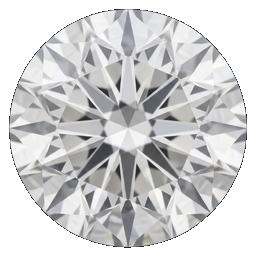
A round brilliant is the second-hardest thing on the wearer's body, after the enamel of their teeth. The ring, the bracelet, the chain — the metal that holds it — sits somewhere closer to the bottom of the list. Recycled 18kt gold is roughly 75% gold, 25% palladium, copper, and silver in a balanced alloy; on the Mohs scale, that puts it at about 3 to 4. A diamond rates 10. The whole job of a setting is to take the wear that the stone does not.
So the bench works on the metal. Eight prongs where four would do. Slightly thicker shanks on the rings that take a daily life. A bezel rather than a claw on the pendant — the back of the stone protected, the front exposed. A line bracelet built around a continuous gold rail rather than punctuated jump rings, because rings catch and rails do not.

The setting wears, and the wearer wears it. Both are true. Recycled 18k holds its colour better than most alloys; a slow patina rather than a sudden tarnish. Hairline scratches build up across years of contact with keys, doorknobs, sleeves. Once a year, send the piece back. We polish, re-tighten the prongs, and rhodium where the alloy invites it. The diamond comes out untouched. The metal comes out as new as it can be made.
This is what "lifetime guarantee" means in our hands. Not a promise that nothing ever changes. A promise that the work continues, on the same bench, for as long as the wearer keeps wearing.
← Назад в журнал